 Graded cycling, kayaking and cave trips in Vietnam, Laos and Cambodia
Plan · Safety
Safety, as a set of rules
Every tour runs on the same few rules: a van behind every ride, helmets on every bike and motorbike, buoyancy aids in every kayak, a weather plan for every exposed day, and insurance that names what you are doing.
The support vehicle
A van and driver follow every riding day. It carries luggage, water, a first-aid kit, spare tubes, a pump, tools and a spare bike. Anyone can stop riding and climb in at any point; that is the van's main job, not a failure of the plan.
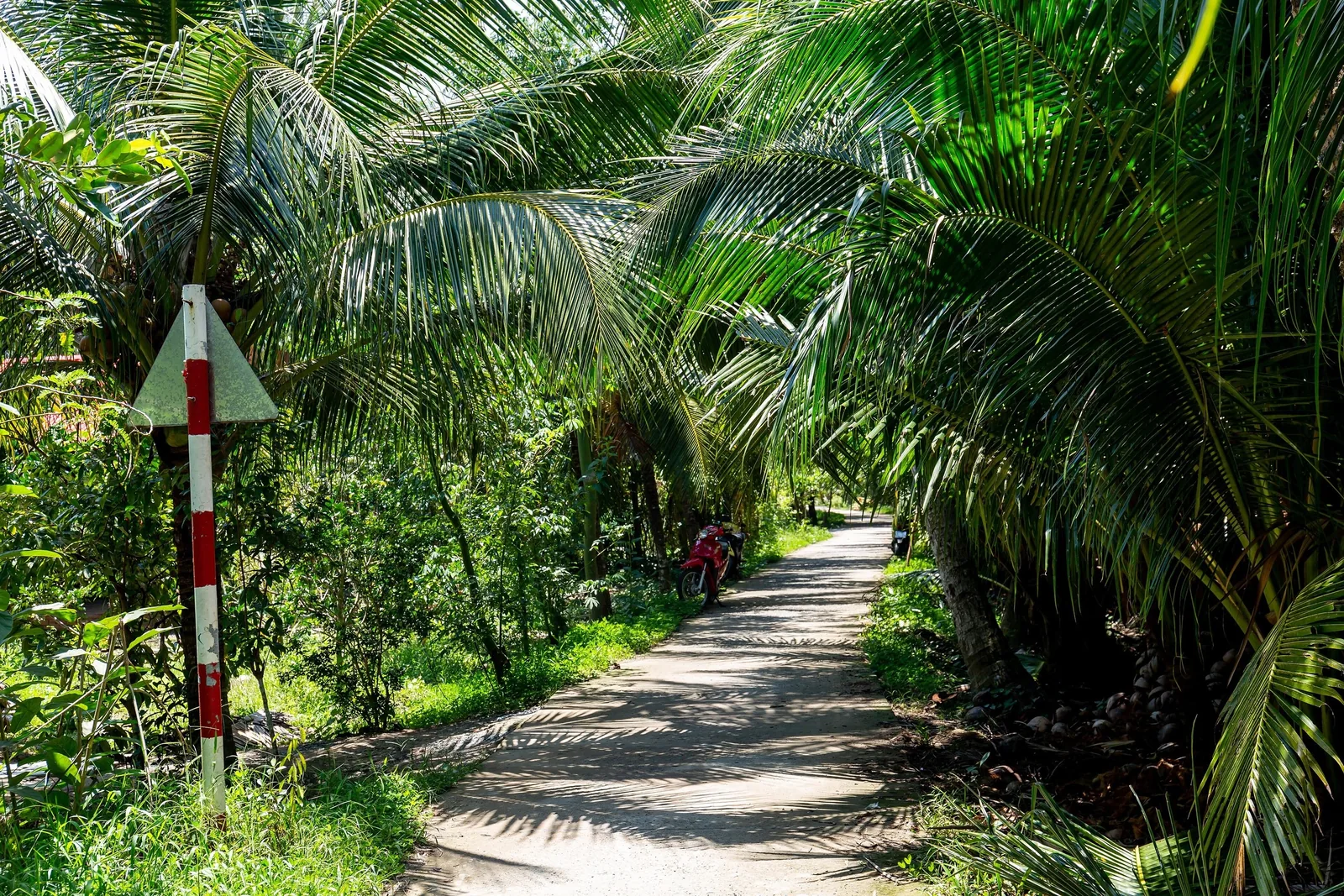
Where lanes are too narrow for a van, in parts of the Mekong Delta for example, it leapfrogs to meeting points every 10 to 15 km and the guide carries water and spares between them. The van also covers the sections we judge unsafe or unpleasant to ride, such as busy city approaches and main highways.
Helmets and bikes
Helmets are worn on every ride, without exception, on bikes and on motorbikes. In Vietnam it is illegal to ride a motorbike, as driver or passenger, without a helmet.
Bikes are fitted on the first morning and checked by the guide each day: brakes, tyres and quick releases. If a bike is not right, it is changed from the van, not nursed through the day.
Sources: UK FCDO — Vietnam travel advice, safety and security · checked .
On the water and underground
- Everyone in a kayak wears a buoyancy aid. Beginners paddle double kayaks with a briefing and practice in calm water first.
- Kayak routes follow tides and water levels. In high water on the Mekong, the paddle is replaced by a ride.
- Show caves are visited on their fixed routes with their own rules and opening hours. We do not take guests off route.
- Wet caves, such as Dark Cave at Phong Nha, are visited with the equipment provided at the site.
Motorbike days
On the Phong Nha tour you ride as a passenger behind a local rider. We do not offer self-ride days. Travelling by motorbike in Vietnam is riskier than in Britain, according to the UK government's travel advice, and motorbike accidents are common. To drive a motorbike yourself you would need a 1968-convention international driving permit together with your home licence, and it is illegal to drive without third-party insurance.
Our riders keep to the speed the slowest passenger is comfortable with, and the day is planned with long stops.
Sources: UK FCDO — Vietnam travel advice, safety and security · checked .
Heat
- Where average maximums reach about 33 °C or more, rides start at 06:30 and the main ride ends before midday.
- Water and electrolytes are carried in the van; the guide calls drink stops rather than waiting to be asked.
- Anyone showing signs of heat illness rides in the van for the rest of the day. That decision belongs to the guide.
- Afternoon activities on hot days are in the shade or underground.
The weather day
Tours of five days or more keep one day loosely planned. When a storm ban stops the boats or rain closes a cave, the activity moves to that day instead of disappearing. Shorter tours name the most weather-exposed activity and its replacement in advance.
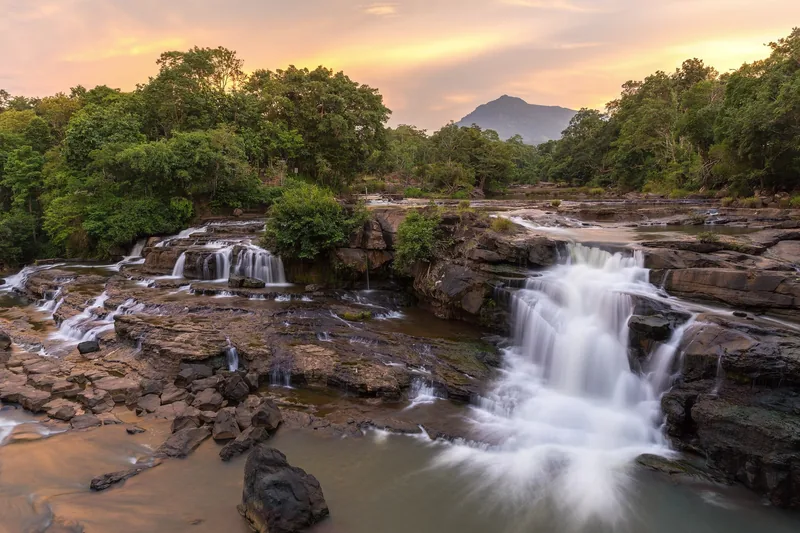
Some things we will not do in bad weather: kayak during a storm ban, ride in lightning, enter a cave the site has closed, or cross a flooded road. Typhoon season on Vietnam's eastern coast runs from May to November, and flooding is common in October and November in central Vietnam and the Mekong Delta.
Sources: UK FCDO — Vietnam travel advice, safety and security · checked .
Roads and traffic
The UK government advises that compliance with road laws in Vietnam is poor and that visitors should keep their speed down and stay alert. Our routes use lanes, minor roads and quiet sections wherever possible, and the van takes the rest. Riders keep in single file and the guide sets the pace on descents.
Sources: UK FCDO — Vietnam travel advice, safety and security · checked .
Insurance
Travel insurance is required on every tour, and it must cover the activities you will do: cycling, kayaking, caving and, on the Phong Nha tour, pillion motorbike riding. The UK government's advice is the same: make sure your travel insurance covers your planned activity.
We do not sell insurance, and we do not check the terms of your policy. Read the activity exclusions yourself, and declare any medical conditions to your insurer.
Sources: UK FCDO — Vietnam travel advice, safety and security · checked .
What we ask of you
- Tell us about injuries and medical conditions at enquiry, not on the first morning.
- Wear the helmet and the buoyancy aid. Always.
- Ride at the grade you can manage, and use the van when you need it.
- Follow the guide's call on heat, weather and road sections. It is final for the day.
Common questions
Questions travellers ask most
Do guides carry first aid?
A first-aid kit travels in the van on every riding day and with the guide on water and cave days. For anything beyond first aid, the guide arranges transport to medical care, and the costs fall to your insurance.
Can children join?
Yes, on Grade 1 and 2 routes, with child-size bikes or a trailer where available. Tell us ages at enquiry. Single kayaks and long cave staircases are not suitable for young children.
What if I fall off?
The guide stops the group, checks you and the bike, and you ride in the van if there is any doubt. Most falls on our routes are slow ones on gravel or at junctions.
Do I need my own helmet?
No, we provide helmets. Many riders bring their own because it fits better; that is welcome.
Related
Read next
Plan · Grades
Difficulty grades
The four-step grade scale behind every tour, with a self-check you can do at home.
View this journey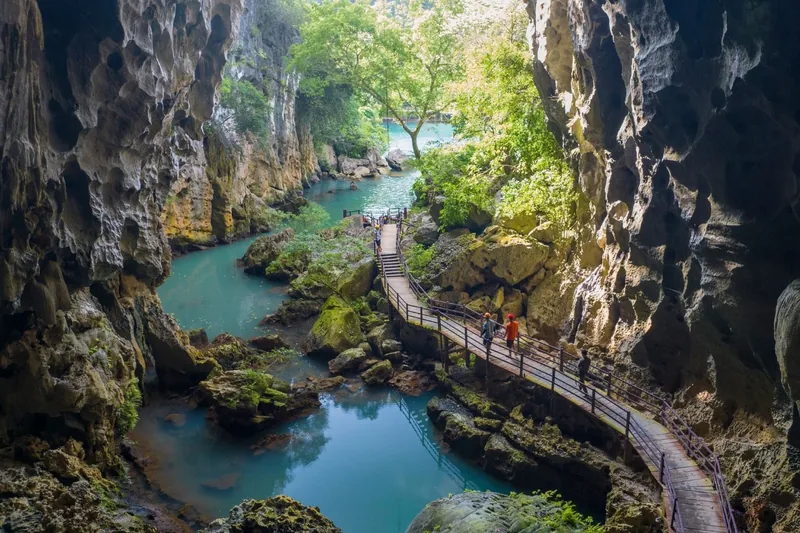
Plan · Seasons
When to go
A 12-month riding and paddling chart for each region, built from WMO climate data.
View this journey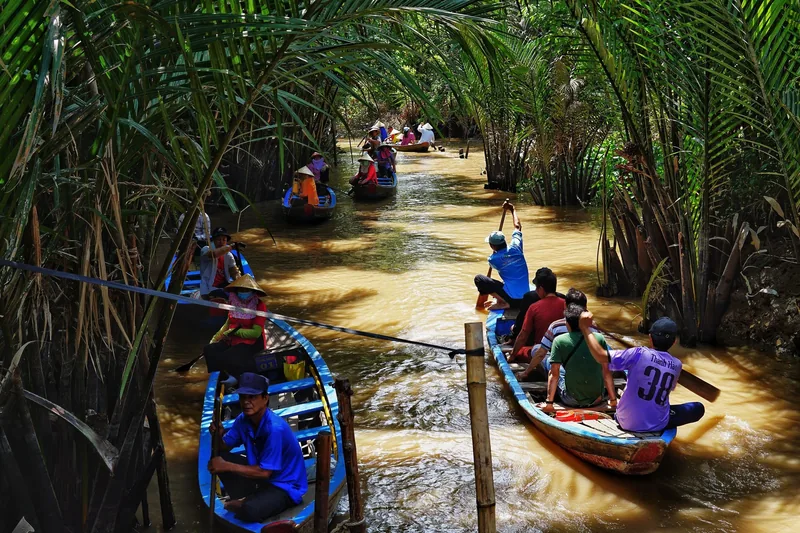
Tours
Tours
All five graded tours, with days, grade and hardest day side by side.
View this journey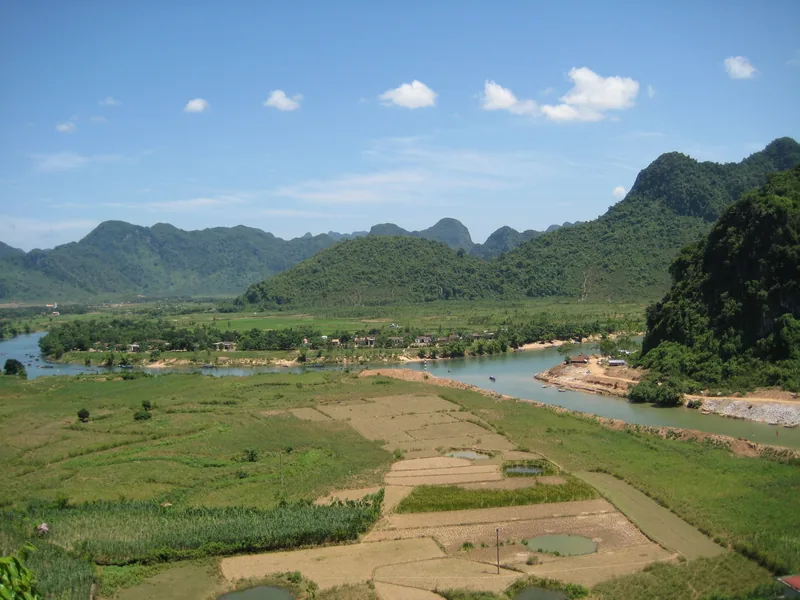
Example journey
Phong Nha & Ho Chi Minh Road, 5 days
Five days of caves, karst cycling and a motorbike day with a driver, Grade 3.
View this journey
Tours · Booking
How to book
The steps from the enquiry form to the first ride, and what we need from you.
View this journey
Company
About us
Who we are, how we plan trips and the things we do not do well.
View this journey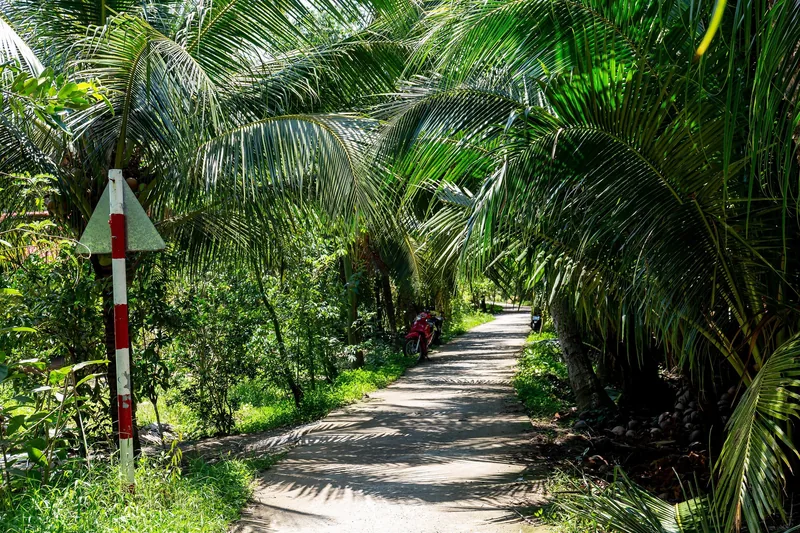
Start planning
Tell us about the trip you have in mind
Dates, party size and the grade you are comfortable with are enough to start. You get a draft route with daily distances and a quote for that route, not a brochure.