 Graded cycling, kayaking and cave trips in Vietnam, Laos and Cambodia
Plan · Grades
Difficulty grades, in numbers
Our four grades are set by three numbers per active day: kilometres ridden, metres climbed and hours of activity. This is our own scale, written so that you can check a tour against what you ride at home.
The scale
| Grade | Cycling per day | Climbing per day | Hours active | Kayaking | On foot |
|---|---|---|---|---|---|
| 1 — Easy-going | up to 30 km | under 200 m | 2 – 3 | up to 2 h, sheltered water | up to 5 km on paths |
| 2 — Moderate | 30 – 50 km | 200 – 500 m | 3 – 5 | 2 – 3 h in sessions | 5 – 8 km, some steps |
| 3 — Challenging | 50 – 80 km | 500 – 1,000 m | 5 – 6 | 3 – 4 h | 8 – 12 km or 800+ steps |
| 4 — Demanding | 80 km or more | over 1,000 m | 6 or more | 4 h or more | over 12 km |
A day takes the highest grade reached by any of its numbers. A 45 km ride with 700 m of climbing is Grade 3, not Grade 2, because the climbing column decides. A flat 65 km day is Grade 3 on distance, even though it barely climbs.
There is no international grading standard for multi-sport trips. These bands are ours. We publish them so that our grades mean the same thing on every tour page.
Four rules we apply to every tour
- A tour takes the grade of its two hardest days. Not the average. Six easy days and two hard ones make a hard trip for the people who struggle on those two days.
- Optional extras are graded separately. If a ride is offered as an extra, the base grade does not include it and the extra is shown with its own numbers.
- Heat is named next to the grade. Where average maximum temperatures reach about 33 °C or more in the riding season, the tour page says so, and rides start at 06:30.
- Numbers are estimates. Distances and climbing are route-design figures for a steady group, not GPS records. A closed road or a detour adds a few kilometres.
Check yourself at home
The fastest way to choose a grade is to compare it with a ride you have done in the last three months, not with one you did years ago.
| If you can comfortably… | …you are ready for |
|---|---|
| ride 15 – 20 km on a flat path without needing to stop | Grade 1 |
| ride 40 km with a couple of hills in about three hours, and feel fine the next day | Grade 2 |
| ride 60 km with around 500 m of climbing, then ride again the next morning | Grade 3 |
| ride 90 km or more with over 1,000 m of climbing on consecutive days | Grade 4 |
For kayaking, the test is sitting and paddling for 75 to 90 minutes with one short rest. For cave days, the test is stairs: if about 300 steps down and more than 500 up in a humid space would hurt your knees, Paradise Cave will too.
Our five tours on the scale
| Tour | Base grade | Hardest day | Optional extra |
|---|---|---|---|
| Lan Ha Bay & Cat Ba, 4 days | 2 | about 40 km, about 400 m | — |
| Bolaven & 4000 Islands, 7 days | 2 | about 50 km, about 400 m | Plateau climb, Grade 4 |
| Vietnam & Cambodia Multi-Sport, 14 days | 2 | about 45 km, flat | Two Grade 3 rides |
| Phong Nha & Ho Chi Minh Road, 5 days | 3 | about 55 km, about 600 m, plus 800+ steps | — |
| Mekong Delta to Angkor, 9 days | 3 (distance and heat) | about 65 km, flat | — |
Grade 4 appears only as an optional extra. None of our base programmes reaches it, and we say so on the about page.
Why a van changes what a grade means
On our tours a support vehicle follows every riding day. That means the grade is the most you will be asked to do, not the least. Riding half a Grade 3 day and taking the van for the rest is normal and costs nothing. What the van cannot change is a cave staircase or a kayak crossing once you have started, which is why walking and paddling numbers sit in the same table.
The safety page explains the van's other job: carrying water, spares and anyone who should stop. The when-to-go page shows which months add heat or rain to a grade.
Grades and mixed parties
Couples and families rarely ride at the same level. Grades help here too: pick the tour for the stronger rider and plan van time for the other, or pick the tour for the less experienced rider and ask for the extras. Tell us both levels in the form and we plan both on the same route.
Common questions
Questions travellers ask most
Is your Grade 2 the same as another company's moderate?
Not necessarily. Companies grade differently and many publish only a word. Compare the numbers per day instead: kilometres, climbing and hours.
Can I train up a grade before the trip?
Often, with three months of regular riding. Choose the grade you can ride now and ask for the extras; that way the trip still works if training falls short.
Do e-bikes change the grade?
They lower the effort of climbing a great deal and the effect of distance a little. Ask at enquiry; availability depends on dates and region.
Who decides if I should stop riding?
You, first. The guide can also ask you to ride in the van, for example in extreme heat or after a fall, and that decision is final for the day.
Related
Read next
Tours
Tours
All five graded tours, with days, grade and hardest day side by side.
View this journey
Plan · Seasons
When to go
A 12-month riding and paddling chart for each region, built from WMO climate data.
View this journey
Plan · Safety
Safety
The rules we run every tour by: van, helmets, buoyancy aids, heat, weather and insurance.
View this journey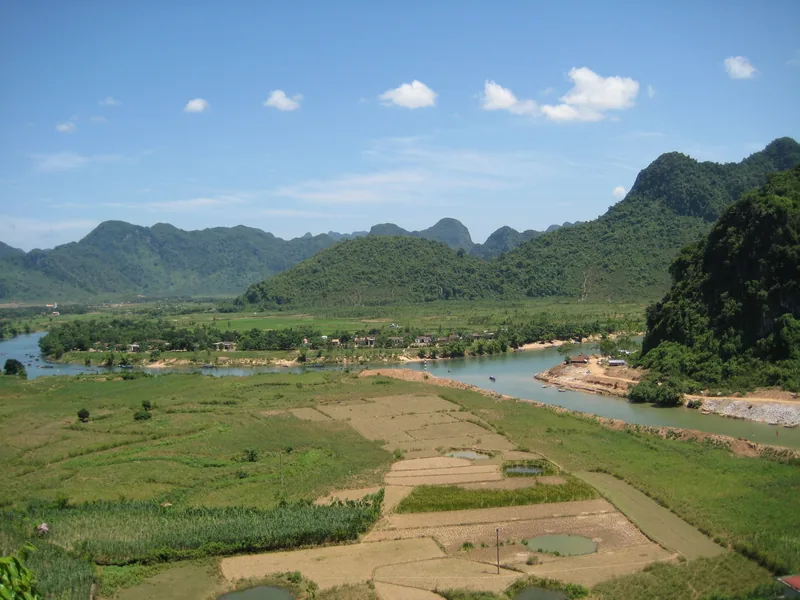
Example journey
Phong Nha & Ho Chi Minh Road, 5 days
Five days of caves, karst cycling and a motorbike day with a driver, Grade 3.
View this journey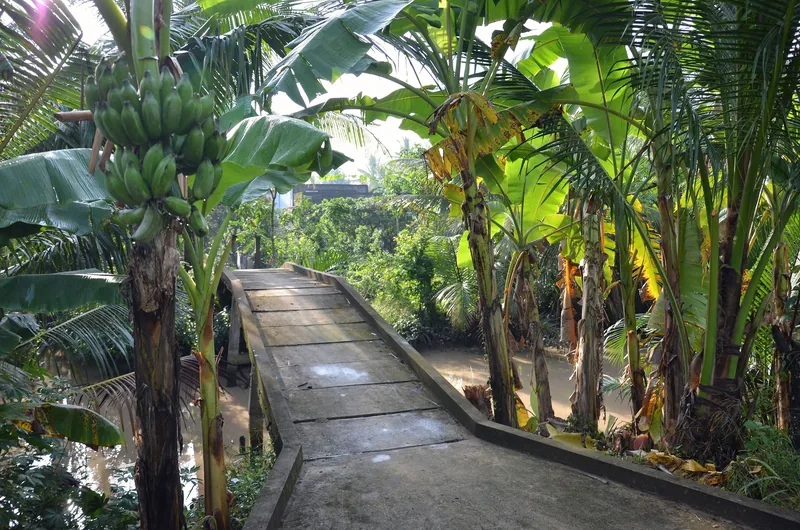
Example journey
Mekong Delta to Angkor, 9 days
Nine days riding flat delta lanes into Cambodia, ending at Angkor, Grade 3.
View this journey
Tours · Booking
How to book
The steps from the enquiry form to the first ride, and what we need from you.
View this journey
Start planning
Tell us about the trip you have in mind
Dates, party size and the grade you are comfortable with are enough to start. You get a draft route with daily distances and a quote for that route, not a brochure.